Our history

Two histories that became one in 1954.

The story of Radstock Working Men’s Club begins at Victoria Hall in 1866. The story of Radstock House reaches back even further. In 1954 the two came together — and the club has been here ever since.

1759 Radstock House on the map 1866 Working Men’s Institute 1954 Club moves to Radstock House
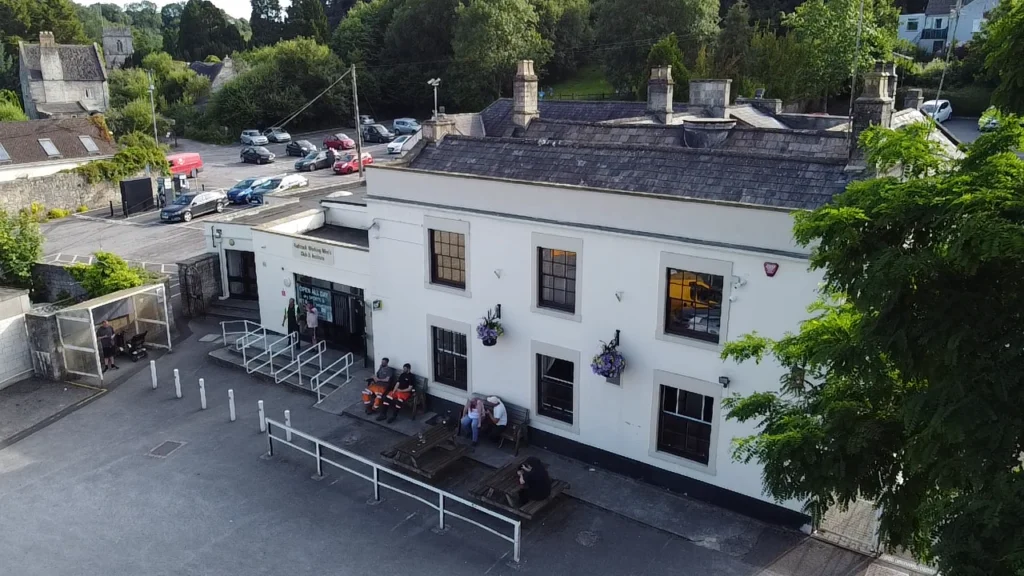
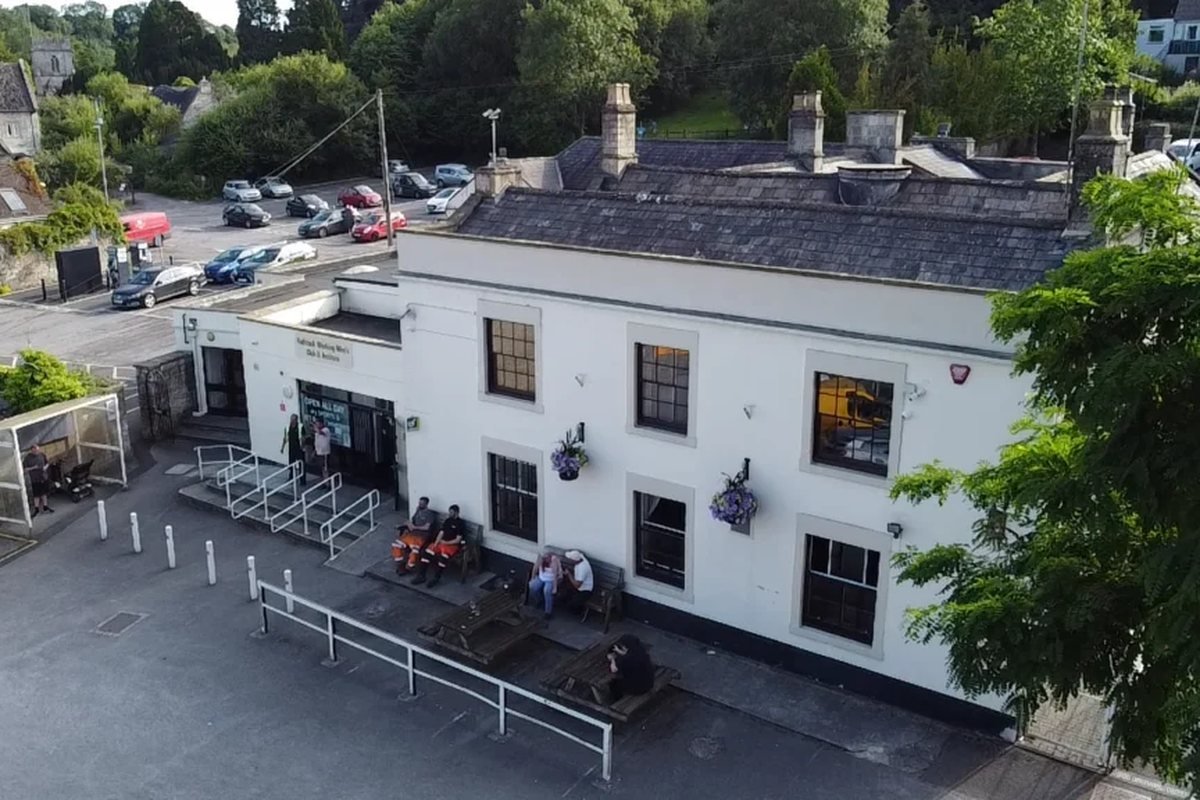
Radstock House, home of Radstock Working Men's Club since 1954
The bigger story

The club and the house each had a life before 1954.

Radstock Working Men’s Club traces its roots to the Working Men’s Institute established at Victoria Hall in 1866. Radstock House, meanwhile, was already one of the town’s principal residences and appears on the Waldegrave map of 1759.

Rather than force those histories into one straight line, the timeline below follows them separately until the Coombs family sold Radstock House in 1954 and it became the club’s new home.

Before 1954

Two stories running side by side.

Club history on one side; the story of Radstock House on the other. Both are part of the history of the place we know today.

The club

Working Men’s Institute & Radstock WMC

From Victoria Hall to an established club in Radstock.

1866

The Working Men’s Institute is established at Victoria Hall.

Bath & North East Somerset records the original building on the Victoria Hall plot as the Working Men’s Institute. This is the starting point of the club story we trace today.

B&NES Victoria Hall history ↗
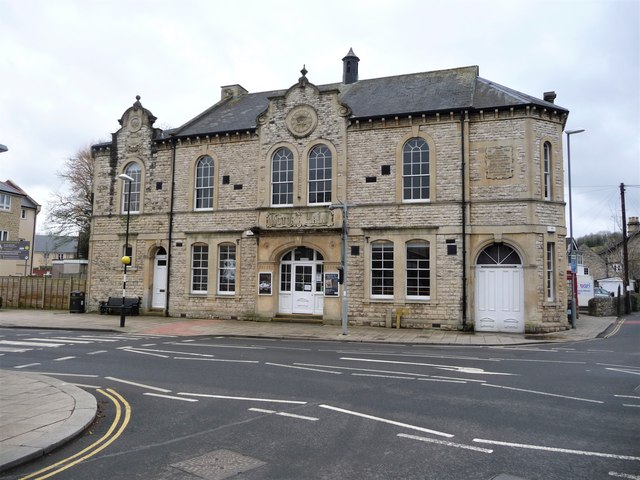
Victoria Hall in Radstock, the site of the Working Men's Institute established in 1866
Victoria Hall, photographed in 2018. Christine Johnstone / Geograph, CC BY-SA 2.0.
1897

Victoria Hall is enlarged for Queen Victoria’s Diamond Jubilee.

The enlarged building added a Reading Room, Snooker and Refreshment Rooms on the ground floor and a Meeting Hall above — a useful glimpse of the social life the building was designed to support.

1902

Victoria Hall takes on a civic role as council offices.

The building was adapted for council use, adding another chapter to Victoria Hall’s place in Radstock while the club’s own story continued.

1914

The club appears explicitly by name in Kelly’s Directory.

Kelly’s Directory · Somerset · 1914 “Radstock Working Men’s Club (Arthur Wilcox, sec)”

By 1914 the organisation is recorded by the name Radstock Working Men’s Club, with Arthur Wilcox named as secretary.

View the scanned directory page ↗
1933

One of eight founding teams of the Paulton & District Skittle League.

The league was formed at the Red Lion in Paulton by eight teams. Radstock Working Men’s Club was one of them, alongside the Railway in Radstock and clubs and pubs from Paulton, Midsomer Norton, Clandown and Farrington Gurney.

Paulton & District Skittle League history ↗
1942

Club competitions were still making the local paper during wartime.

The Somerset Guardian and Radstock Observer reported a trophy presentation to club members in February 1942, naming J. E. Paget as chairman — evidence of an active sporting and social club through the war years.

British Newspaper Archive record ↗
The house

Radstock House

A prominent town-centre residence long before it became the club.

1759

Radstock House is shown on the Waldegrave map.

The conservation-area appraisal identifies Radstock House as one of the town’s two principal residences and records it on the Waldegrave estate map of 1759.

B&NES Radstock Conservation Area appraisal ↗
Late 1700s

The house takes much of the form recognised today.

Historic England describes the building as mainly late 18th century, probably incorporating an older structure. The listing also records its symmetrical rendered front, slate roof and a late-18th-century top-lit staircase.

Historic England listing ↗
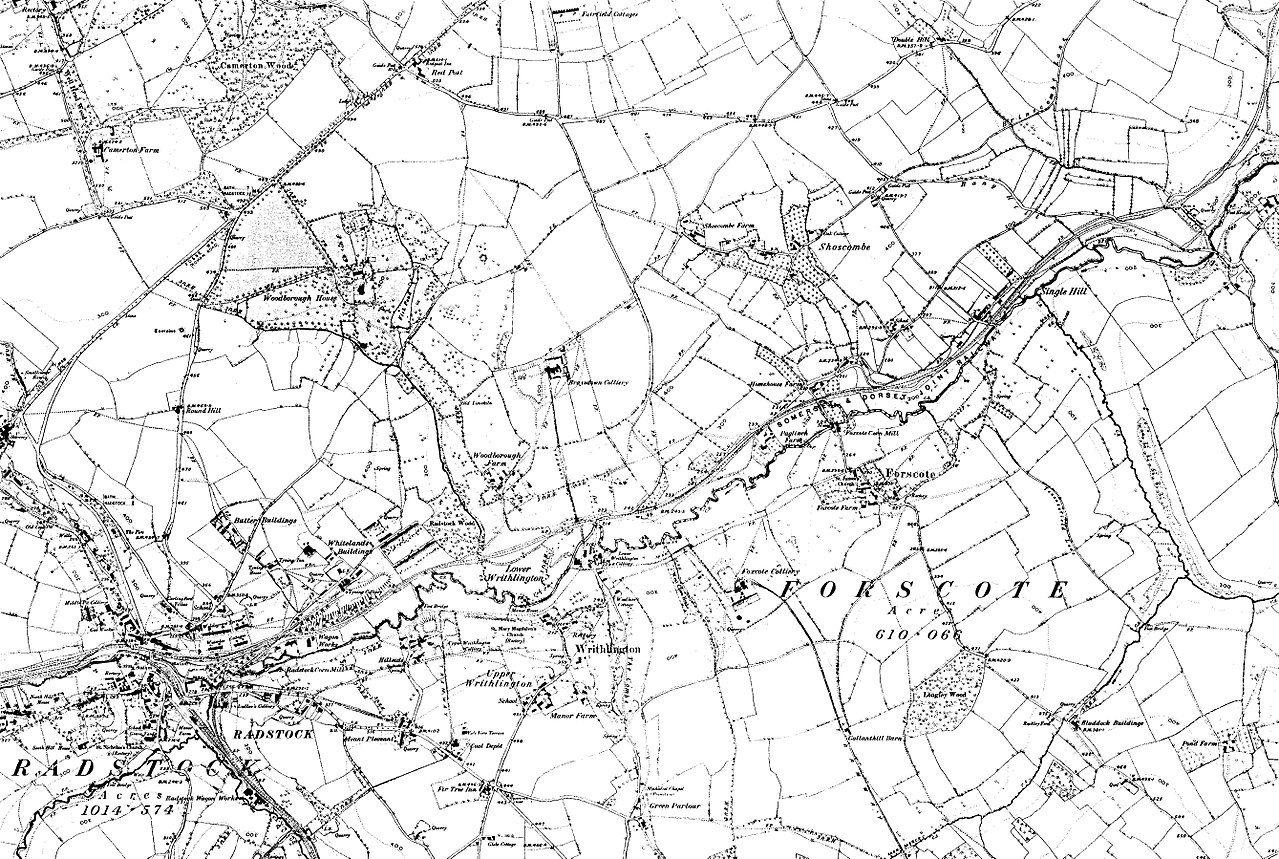
Historic Ordnance Survey map of Radstock and the surrounding area from 1884 to 1894
Ordnance Survey map of the Radstock area, 1884–1894. Public domain via Wikimedia Commons.
1800s

The Coombs family and a changing Radstock.

Radstock House later became the home of brewer George Coombs. The Coombs family was closely connected with the town: George Coombs is credited with rebuilding the Bell Inn and was behind the Market Hall, while the family’s brewing business became part of Radstock’s commercial story.

Radstock Museum: Market Hall history ↗
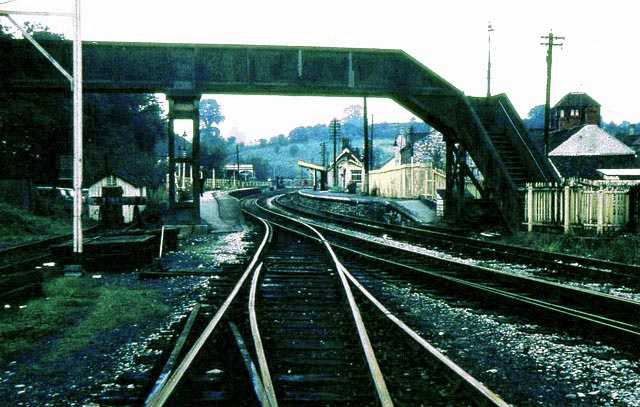
Radstock railway station photographed in September 1967
Radstock railway station in September 1967. Tudor Williams / Geograph, CC BY-SA 2.0.
1870

Part of the Radstock House orchard is sold to the railway company.

George Coombs sold one of the house’s orchards for a detached Station Master’s house. After the GWR station closed, that house was demolished and the new library was built on the site.

B&NES Radstock Conservation Area appraisal ↗
The grounds

Radstock House once had a larger domestic estate.

The grounds behind and beside the house included a detached gardener’s cottage and two cottages fronting Wells Hill. The conservation-area appraisal notes that the two Wells Hill cottages still survive.

B&NES Radstock Conservation Area appraisal ↗
19 May 1950

Radstock House is Grade II listed — four years before the club moves in.

The National Heritage List records the building now known as the Working Men’s Club as Grade II. The official entry notes that it was previously listed as Radstock House.

National Heritage List entry ↗
1954 · the stories meet

Radstock Working Men’s Club moves into Radstock House.

The Coombs family sold Radstock House in 1954 and it became the home of Radstock Working Men’s Club. More than seven decades later, the club is still here.

B&NES Radstock Conservation Area appraisal ↗

From this point the history of the club and the history of the house become the same story.

Radstock House, home of Radstock Working Men's Club
1954 to today

Life at Radstock House.

The story did not stop when the club moved. Surviving records and photographs give us glimpses of club life across the decades since.

1971

Eric Doughty becomes Treasurer.

Seven years after joining, Eric became Club Treasurer in 1971. He later served as Club Secretary, continuing a long period of service to Radstock Working Men’s Club.

2002

Radstock House is photographed for the Images of England project.

Historic England’s archive holds a digital photograph of Radstock House / Working Men’s Club taken on 21 August 2002 by Arthur A. Chapman as part of the national Images of England survey.

View the 2002 archive photograph at Historic England ↗ The archive photograph is copyright © Mr Arthur A. Chapman, so we link to the original rather than reproduce it here.
2018

A new Club Secretary.

Eric Doughty retired as Club Secretary in 2018 after decades of involvement with the club. He was succeeded by Andrew Fry, continuing the club’s long tradition of member-led management.

2020

The club reopens after the first COVID-19 shutdown.

After three months without the normal social life of the club, the team prepared Radstock House for reopening with distancing, table service and safety measures. Club Secretary Andy Fry summed up the determination simply: “we will re-open because our members expect us to.”

Read the 2020 Nub News report ↗
Today

Still a working club in the heart of Radstock.

Radstock House is still home to the club, with live entertainment, televised sport, two pool tables, skittles, a bar and a function room used for celebrations and community events. The surroundings have changed, but the basic idea has lasted: a local place to meet and spend time together.

See the club today
A few favourite details

History that is easy to miss.

Some of the smaller facts are the ones that make the story feel real.

8

Founding skittles teams

Radstock Working Men’s Club was one of the original eight teams when the Paulton & District Skittle League began in 1933.

4 years

Listed before the move

Radstock House was Grade II listed in 1950. The club did not take over the building until 1954.

1870

An orchard changed by the railway

Part of the Radstock House orchard was sold for the Station Master’s house; the later library ultimately occupied that site.

1914

An early named secretary

Arthur Wilcox is the earliest named club official currently traced in our published sources.